

The vital partnership between publishers and libraries in an open access landscape: new initiatives, new business models and a glimpse into the future
28 September 2023, 15.00-16.30 CET
(2pm-3.30pm BST)
Webinar hosted by Gold Leaf, sponsored by De Gruyter
After the success of the first two De Gruyter 2023 quarterly webinars, we are proud to announce that Webinar 3 will take place on 28th September, beginning at 2 pm UK time. By popular demand, it will follow on from Webinar 1, to explore further aspects of Open Access.
Webinar 3 will focus on the recent American OSTP “Nelson memo”; emerging OA business models, focusing especially on Subscribe-to-Open and why it has become one of the most popular Open Access models; consider where Open Access now stands on the global stage, the long-term financial sustainability of OA models; and how best to reduce inequities in scholarly publishing, particularly for authors in resource-limited contexts.
The webinar is the third of a series sponsored by De Gruyter and will be moderated by Linda Bennett of Gold Leaf. Registration is free of charge.
For more details and to book your place on the seminar, click here.
Who should attend
Academic librarians; public librarians; publishers; members of librarian support groups; members of consortia and trade associations; academics and students interested in sustainability; environmentalists.

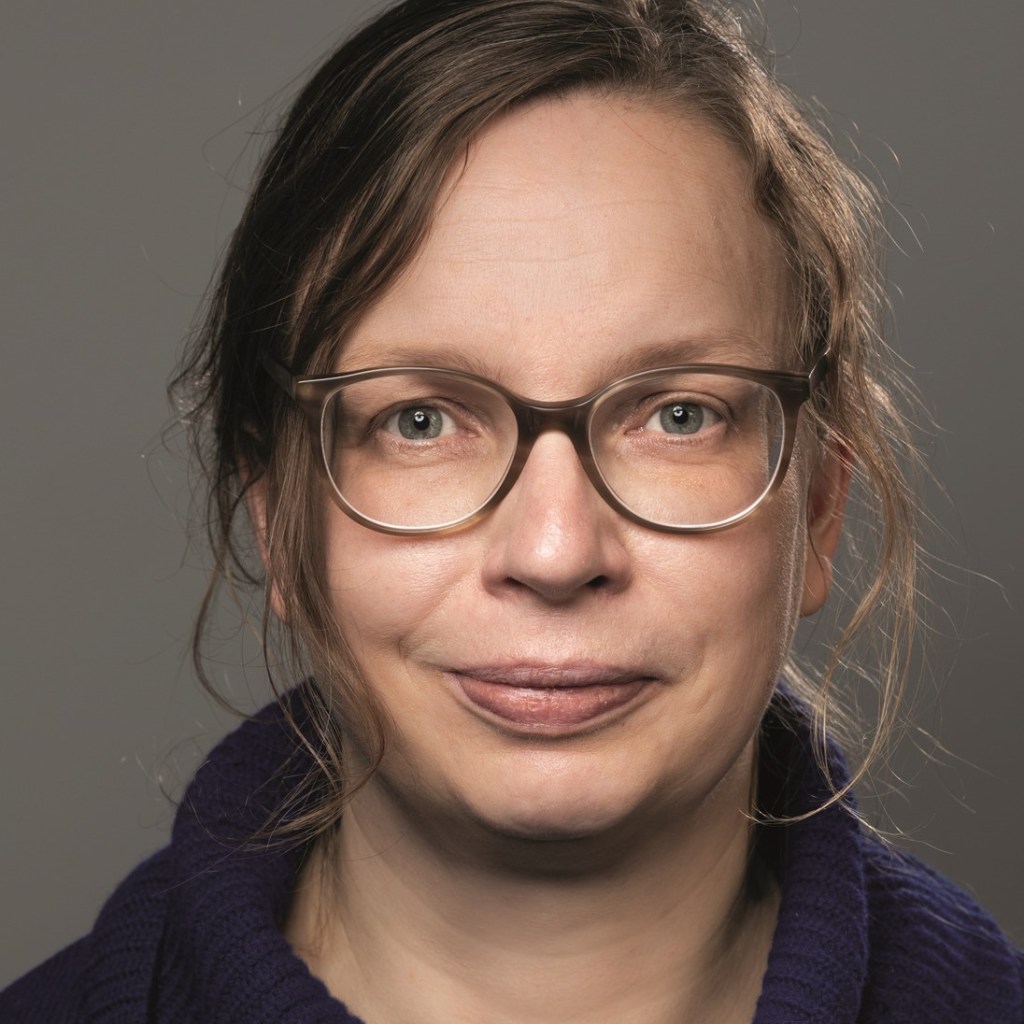

Scott Warren, Senior Associate Dean for Research Excellence, Syracuse University Libraries, USA, who will talk about the Nelson memo, the SPARC announcement which followed it and the implications of both.
Christina Lembrecht, Senior Manager Open Research Strategy at De Gruyter, who will speak about journals business models, focusing especially on Subscribe-to-Open and why it has become one of the most popular Open Access models.
Colleen Campbell, Coordinator of OA2020 and strategic advisor at the Max Planck Digital Library, who will wrap up the session by setting the debate within the international context to discuss the long-term financial sustainability of OA models and how best to reduce inequities in scholarly publishing, particularly for authors in resource-limited contexts
 Gold Leaf