

On Wednesday, the Office for Students published the results of this year’s National Student Survey. Each year, the NSS results spark discussions about their usefulness and whether or not they actually reflect the performance of a university overall. And every year, universities and service providers keenly await their results and national media celebrates their “winners”.ContinueContinue reading “NSS results 2019 and Learning Resources”
Category Archives: Pedagogical Resources
The ABT Conference 2019 – Student Workshop
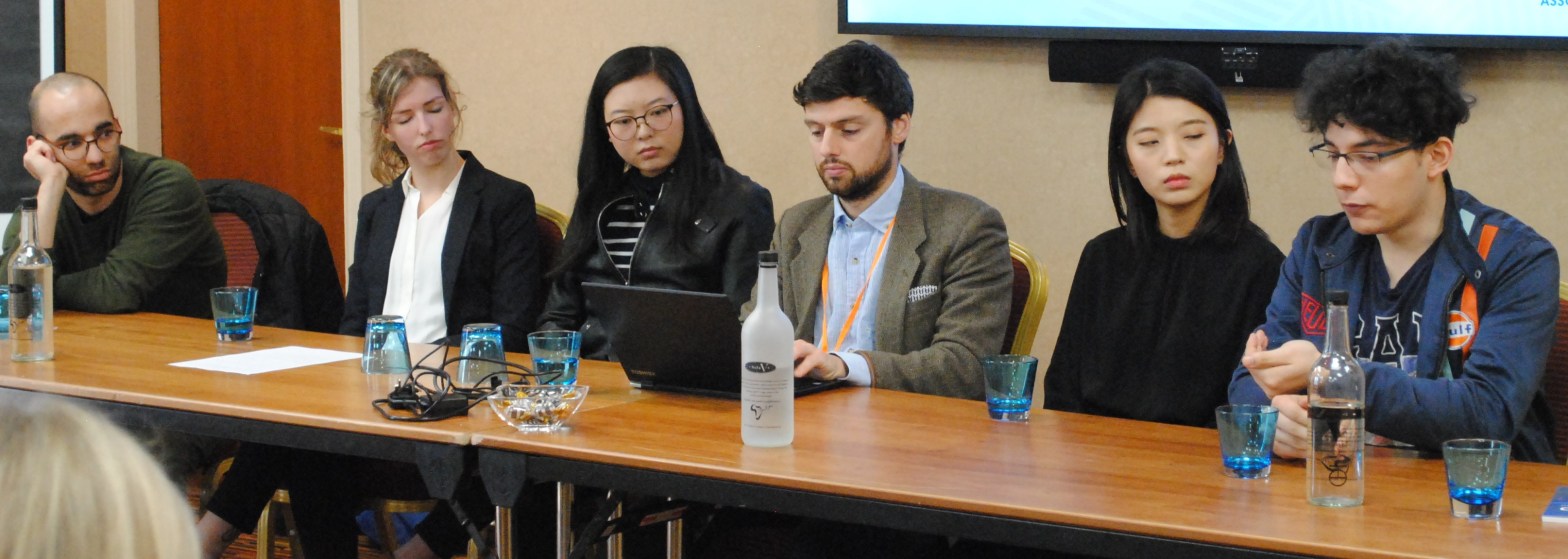
(Picture of the ABT Conference Student Panel, (c) Alan Staton, Booksellers Association) Six international students took part in the student workshops at the ABT Conference 2019. They were respectively from Mexico, The Netherlands, Italy, Iran, South Korea and Indonesia. The workshop was run twice, so that all delegates could attend once (it ran back-to-back withContinueContinue reading “The ABT Conference 2019 – Student Workshop”
The Sage / Gold Leaf Pedagogical Report is published!

The Sage / Gold Leaf Pedagogical Report was the brainchild of Kiren Shoman, the Editorial Director and Head of Pedagogy at Sage Publishing. She conceived of the idea of this study when we asked her to contribute to a more specific survey on the impact of the TEF that we were preparing for the BooksellersContinueContinue reading “The Sage / Gold Leaf Pedagogical Report is published!”
Flipped Learning and OERs

Of the pedagogical trends identified by the research (commissioned in partnership with SAGE Publishing), by far the most prominent were research-led teaching and flipped learning – the latter often mentioned in conjunction with technologically-enhanced resources. Flipped learning, which was practised in schools for some time before it took hold in universities, promotes dynamic learning byContinueContinue reading “Flipped Learning and OERs”
It’s all in the metrics: Reading List Software and other measures
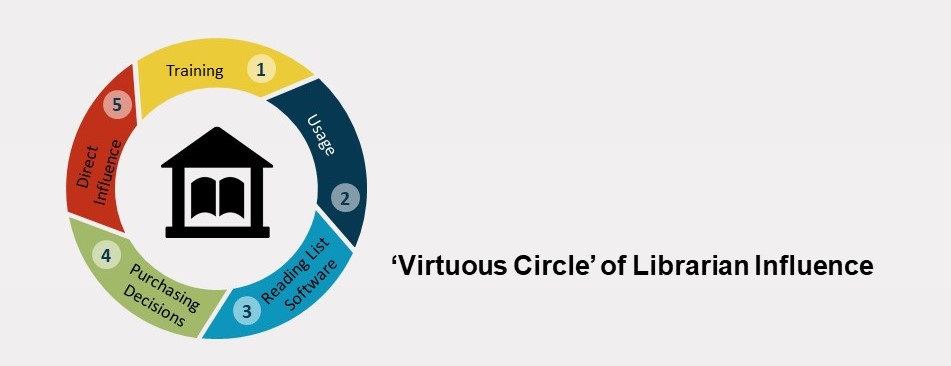
So, how are libraries measuring the success of a resource? That’s a tricky question, and all the libraries we talked to used a mixture of “hard” metrics such as usage statistics and “soft” ones like student and user surveys. Even though most online resources provide usage statistics, these often are not particularly user-friendly, and don’tContinueContinue reading “It’s all in the metrics: Reading List Software and other measures”
 Gold Leaf